
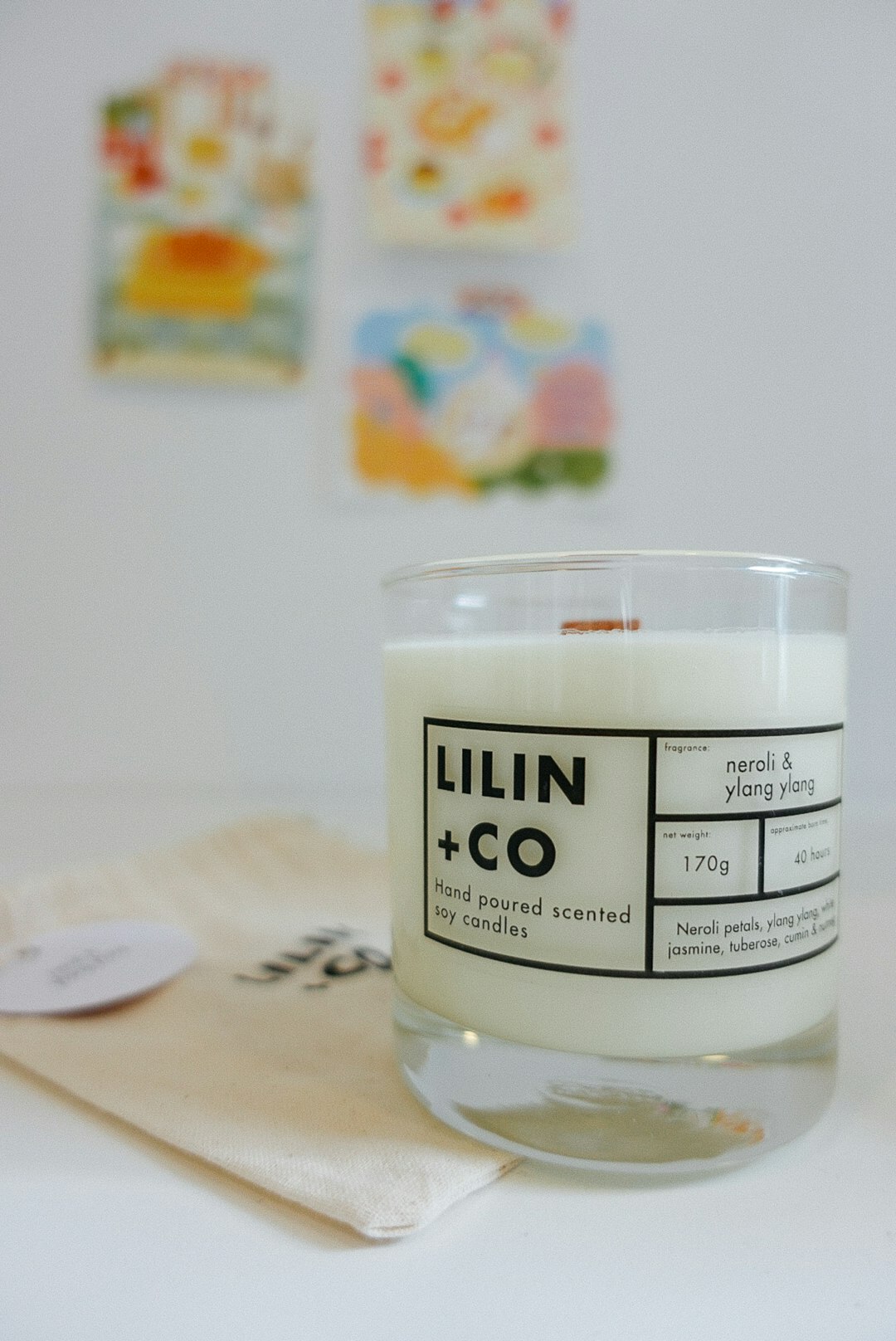
Eco-friendly candles promise a cleaner, more thoughtful alternative to conventional options, but the price tag can stop many buyers in their tracks. When one candle costs noticeably more than another of similar size, it is fair to ask whether the difference reflects real value or simply better branding. The answer usually lies in what the candle is made from, how it burns, how long it lasts, and whether its ingredients align with the kind of home environment you actually want to create.
What makes eco-friendly candles different?
Not every candle labeled natural or clean is automatically a better choice. True eco-friendly candles tend to stand apart in a few specific ways: wax composition, wick material, fragrance quality, packaging, and overall transparency. Instead of relying on paraffin, which is derived from petroleum, many better-made candles use soy, coconut, beeswax, or carefully blended plant-based waxes. These materials are often chosen because they burn more cleanly and fit better with a lower-impact lifestyle.
The wick matters too. Cotton or wood wicks are commonly preferred over options that include questionable additives. Fragrance also plays a major role in both price and experience. A candle scented with carefully selected essential oils or higher-quality fragrance materials usually costs more than one built around cheaper synthetic blends. That higher cost often shows up in a more balanced scent throw and a less harsh experience in smaller rooms.
Shoppers trying to compare standards across brands often look for clear ingredient descriptions, simple packaging, and an obvious commitment to quality. A retailer such as eco-friendly candles can be a useful reference point when you want to compare wax blends, ingredient transparency, and overall finish. That kind of clarity matters because the label alone does not tell the full story.
Why eco-friendly candles usually cost more
The higher cost of eco-friendly candles is rarely caused by one single factor. It is usually the result of several choices that add up throughout production. Plant-based waxes can be more expensive to source and more difficult to formulate well. Clean, even burning is not just about pouring wax into a vessel; it requires testing the wick, fragrance load, curing time, and burn performance so the candle does not tunnel, smoke excessively, or lose scent too quickly.
Small-batch production can also affect price. Many premium candle makers do not manufacture at the scale of mass-market brands, which means they cannot spread costs in the same way. Better jars, reusable vessels, recyclable packaging, and more careful assembly all contribute to the final price. None of that guarantees excellence, but it does explain why a thoughtfully made candle often lands in a higher bracket.
- Wax quality: Plant-based and blended natural waxes often cost more than paraffin.
- Burn testing: Proper testing improves performance but adds time and expense.
- Fragrance quality: Better fragrance materials are usually more refined and more expensive.
- Packaging: Glass, reusable containers, and lower-waste packaging increase unit cost.
- Batch size: Smaller production runs typically mean higher prices per candle.
Are eco-friendly candles worth it in everyday use?
For many households, the answer is yes, but not for every purchase and not for every room. If you burn candles frequently, ingredient quality and burn behavior start to matter more. A candle that burns evenly, produces less visible soot, and fills a room without becoming overpowering can feel noticeably better in daily life. In that sense, value is not only about sticker price. It is also about comfort, consistency, and whether the candle performs well enough to justify being lit again and again.
Worth also depends on your priorities. If you buy candles mostly as occasional decor, a lower-cost option may feel perfectly acceptable. But if candles are part of your evening routine, hospitality style, or self-care ritual, premium eco-friendly candles can justify the spend more easily. The difference is similar to many home goods: a well-made version may cost more upfront, but it often delivers a better user experience over time.
| Factor | Conventional candle | Eco-friendly candle |
|---|---|---|
| Upfront price | Usually lower | Usually higher |
| Wax source | Often paraffin-based | Often plant-based or beeswax |
| Ingredient transparency | Can be limited | Often clearer and more detailed |
| Burn experience | Varies widely | Often cleaner and more refined when well made |
| Packaging and finish | May prioritize cost | Often designed for reuse or lower waste |
| Long-term value | Depends on price alone | Depends on quality, burn time, and enjoyment |
How to decide whether the price is justified
The smartest way to judge eco-friendly candles is to look past the label and assess the full package. A high price alone does not equal quality, and a lower price does not always mean poor performance. The goal is to buy with enough information to know what you are paying for.
- Read the ingredient details. Look for the wax type, wick material, and fragrance information instead of vague claims.
- Check the vessel size against burn time. A larger candle is not always the better value if it is poorly wicked or uneven in performance.
- Notice the finish. Clean pouring, balanced scent, and a sturdy container often reflect greater care in production.
- Consider how often you burn candles. Frequent use makes quality differences more meaningful.
- Buy from businesses with a clear point of view. Brands like Wick-Edly Natural stand out when they explain what they use and why, instead of relying on vague lifestyle language.
It also helps to think in terms of cost per enjoyable use rather than cost per unit. A cheaper candle that tunnels, drowns its wick, or throws scent poorly may feel less satisfying than a more expensive candle that performs well from first burn to last. In other words, value is not just what leaves your wallet today. It is what the product gives back over its full life.
The real answer on eco-friendly candles
The true cost of eco-friendly candles is higher in the short term because better materials, more careful production, and stronger design choices usually cost more to deliver. But whether they are worth it comes down to what you expect from a candle. If you want a simple, inexpensive accent for occasional use, the premium may not feel essential. If you care about cleaner ingredients, a more elevated burn experience, and products made with greater intention, eco-friendly candles are often worth the investment.
In the end, the best candle is not the cheapest or the trendiest. It is the one that burns beautifully, suits your space, and feels good to bring into your home. When eco-friendly candles do those things well, the extra cost stops looking like a luxury and starts looking like sound value.
