
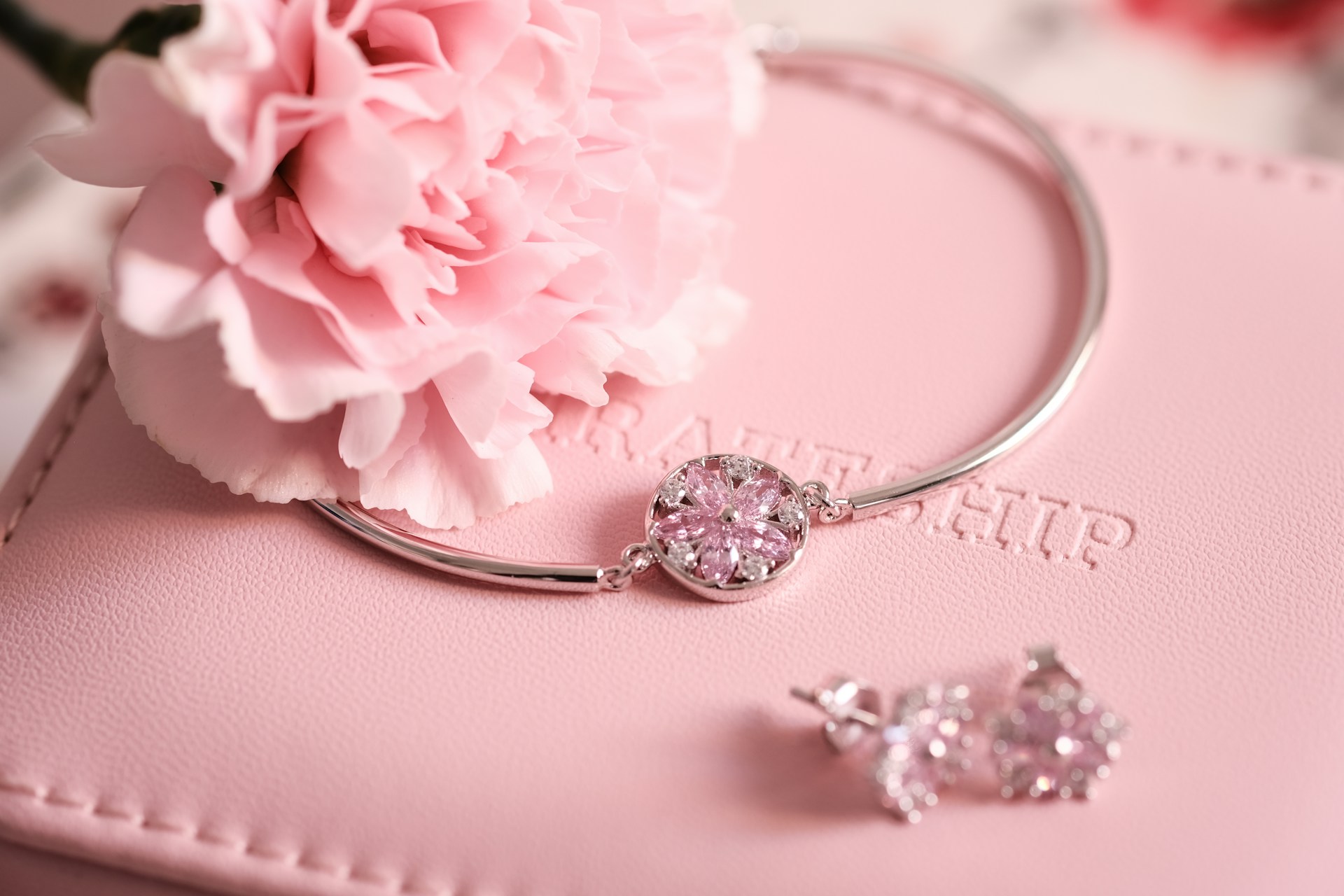
Luxury jewelry is meant to be worn, admired, and passed down, but exceptional pieces require thoughtful care if they are going to keep their brilliance and structure over time. Whether you wear a diamond ring every day, bring out a tennis bracelet for special occasions, or own heirloom pieces with sentimental value, good habits make a visible difference. Proper care is also part of protecting the information that supports long island appraisals, insurance documentation, and long-term value, especially for jewelry that carries both emotional and financial significance.
Start With the Materials, Not Just the Shine
One of the most common mistakes jewelry owners make is treating every piece the same. Luxury jewelry is not a single category; it is a mix of metals, settings, finishes, and gemstones that respond differently to moisture, pressure, chemicals, and heat. A diamond solitaire can tolerate cleaning methods that would be too harsh for pearls. An emerald ring may need a much gentler approach than a platinum band. Caring well for jewelry begins with knowing what, exactly, you own.
Gold, platinum, and sterling silver each have different maintenance needs. Gold can scratch more easily than many people expect, especially in higher karats. Platinum is durable but can develop a soft patina that some owners love and others prefer to polish away. Silver is especially prone to tarnish if left exposed to air and humidity. Gemstones matter just as much. Diamonds are hard, but that does not mean they are immune to chips at the edges. Sapphires and rubies are durable for regular wear, while opals, pearls, emeralds, and some antique stones deserve extra caution.
- Pearls are vulnerable to perfume, hairspray, cosmetics, and even perspiration.
- Emeralds often contain natural inclusions and may be harmed by aggressive cleaning.
- Opals are sensitive to sudden temperature changes and dry environments.
- Pave9 settings can loosen over time if rings are knocked against hard surfaces.
At Elegant Jewelers in Woodbury, NY, careful attention to these material differences is part of what separates routine cleaning from true jewelry care. The goal is not simply to make a piece sparkle for the moment, but to preserve its integrity for years.
Daily Habits That Prevent Damage Before It Starts
Most luxury jewelry does not suffer from one dramatic event. More often, damage happens slowly through everyday routines: lotion worked into a setting, a ring worn at the gym, a bracelet stored loose with other pieces, or earrings tossed into a dish at the end of the night. Small habits either protect your jewelry or shorten its lifespan.
- Put jewelry on last. Makeup, perfume, sunscreen, and hair products can leave residue on stones and metals.
- Take jewelry off before hands-on activity. Exercise, gardening, lifting weights, swimming, and housework all increase the chance of impact, bending, or chemical exposure.
- Remove rings before using lotion or cleanser. Product buildup dulls stones and can collect under settings.
- Avoid sleeping in delicate pieces. Chains can kink, prongs can catch on fabric, and earrings can bend.
- Do a quick visual check. If a stone looks higher than usual, catches on clothing, or rattles slightly, stop wearing it until it is inspected.
These habits are especially important for jewelry worn daily, such as engagement rings, wedding bands, line bracelets, and small diamond studs. Familiarity can make valuable pieces feel indestructible, but frequent wear is exactly why they need more consistent attention.
How to Clean Fine Jewelry Safely at Home
Regular cleaning helps maintain brilliance, but safe cleaning depends on the piece. A soft toothbrush, mild soap, lukewarm water, and a lint-free cloth are useful basics, but even gentle methods should be applied selectively. If you are unsure whether a stone has been treated, filled, glued, or reset, it is better to pause than to experiment.
| Jewelry Type | Safe Home Care | What to Avoid |
|---|---|---|
| Diamond jewelry | Mild dish soap, lukewarm water, soft brush, careful rinse | Harsh abrasives, scrubbing prongs aggressively |
| Gold and platinum | Gentle soap solution and soft polishing cloth | Bleach, chlorine, rough paper towels |
| Pearls | Soft damp cloth after wear, separate storage | Soaking, ultrasonic cleaners, steam |
| Emeralds and opals | Very light wiping and professional advice when needed | Ultrasonic cleaners, sudden heat, strong detergents |
| Silver | Anti-tarnish cloth and careful dry storage | Excess moisture, long neglect, abrasive cleaners |
A good rule is simple: if the piece is antique, fragile, heavily set, or emotionally irreplaceable, do not rely on guesswork. Professional cleaning is often the safest choice for restoring brilliance without risking loosened stones or surface damage. This is particularly true for older pieces with delicate filigree, hidden galleries, or age-softened prongs.
Store and Travel With More Care Than You Think
Storage is not an afterthought. It is one of the most effective ways to prevent scratches, tangles, and unnecessary wear. Luxury jewelry should be stored clean, dry, and separated whenever possible. Diamonds can scratch other jewelry, chains can knot, and softer stones can be damaged simply by rubbing against harder surfaces in the same box.
- Use a fabric-lined jewelry box with separate compartments.
- Keep necklaces fastened before storing to reduce tangling.
- Store pearls flat or in a soft pouch, never in airtight plastic for long periods.
- Use anti-tarnish strips for silver pieces.
- When traveling, choose a structured jewelry case rather than loose packing in a cosmetic bag.
Professional maintenance should also be part of the routine. Clasps wear down, prongs loosen, and links stretch gradually. A periodic inspection can catch early issues before they become expensive repairs or heartbreaking losses. Elegant Jewelers can assist with professional cleaning, setting checks, resizing, and repairs that help valuable pieces remain secure and wearable instead of sitting in a drawer because something feels slightly off.
When Professional Care and Long Island Appraisals Matter Most
Luxury jewelry care is not only physical. Documentation matters too. For owners updating insurance records, managing estate planning, or keeping accurate records after a major purchase, long island appraisals can be an important part of responsible jewelry ownership.
An appraisal is especially worth considering in several situations:
- after purchasing a significant new piece
- after inheriting estate jewelry
- after a major repair, reset, or redesign
- when preparing insurance coverage or updating an older valuation
- when organizing personal asset records
This part of jewelry care is often overlooked because it is less visible than cleaning or polishing, but it serves a different purpose. It protects clarity around what you own, what condition it is in, and how it should be documented. For fine jewelry collections, that record can be just as valuable as a polishing cloth or safe storage box.
The most reliable care plan combines daily caution, gentle cleaning, secure storage, periodic professional inspection, and current documentation. That is the standard luxury jewelry deserves. If you want pieces to look beautiful on the hand, remain structurally sound, and hold their place within your personal records, thoughtful maintenance is essential. In that broader sense, long island appraisals are not separate from jewelry care; they are part of the discipline of protecting what matters. With expert support from a trusted jeweler such as Elegant Jewelers in Woodbury, your collection can retain both its beauty and its significance for years to come.
